
Kymco Filly 50i derestriction
Kymco Filly 50i derestriction is not a magic trick for turning a small 50cc scooter into a fast motorcycle. It is a careful diagnosis of why the scooter is limited, whether that limit is electronic, CVT-related, exhaust-related or simply part of the legal moped category, and whether changing it makes sense for the way the scooter will be used.
The Filly 50i is the kind of light urban scooter people buy for short trips, easy parking and low running costs. When it feels held back at around moped speed, owners often start looking for a limiter, ECU, CDI, variator ring, exhaust restriction or injection adjustment. Sometimes there is a real restriction. Sometimes the scooter is simply tired: worn belt, flat rollers, low tyre pressure, dragging brakes, blocked air filter, weak battery, dirty injector or a previous owner’s messy wiring.
This guide explains how to inspect the scooter before buying parts, how to think about CVT and electronic limits, what to measure on exhaust and transmission components, what UK riders need to understand about AM moped rules, and which mistakes commonly create poor running rather than useful performance.
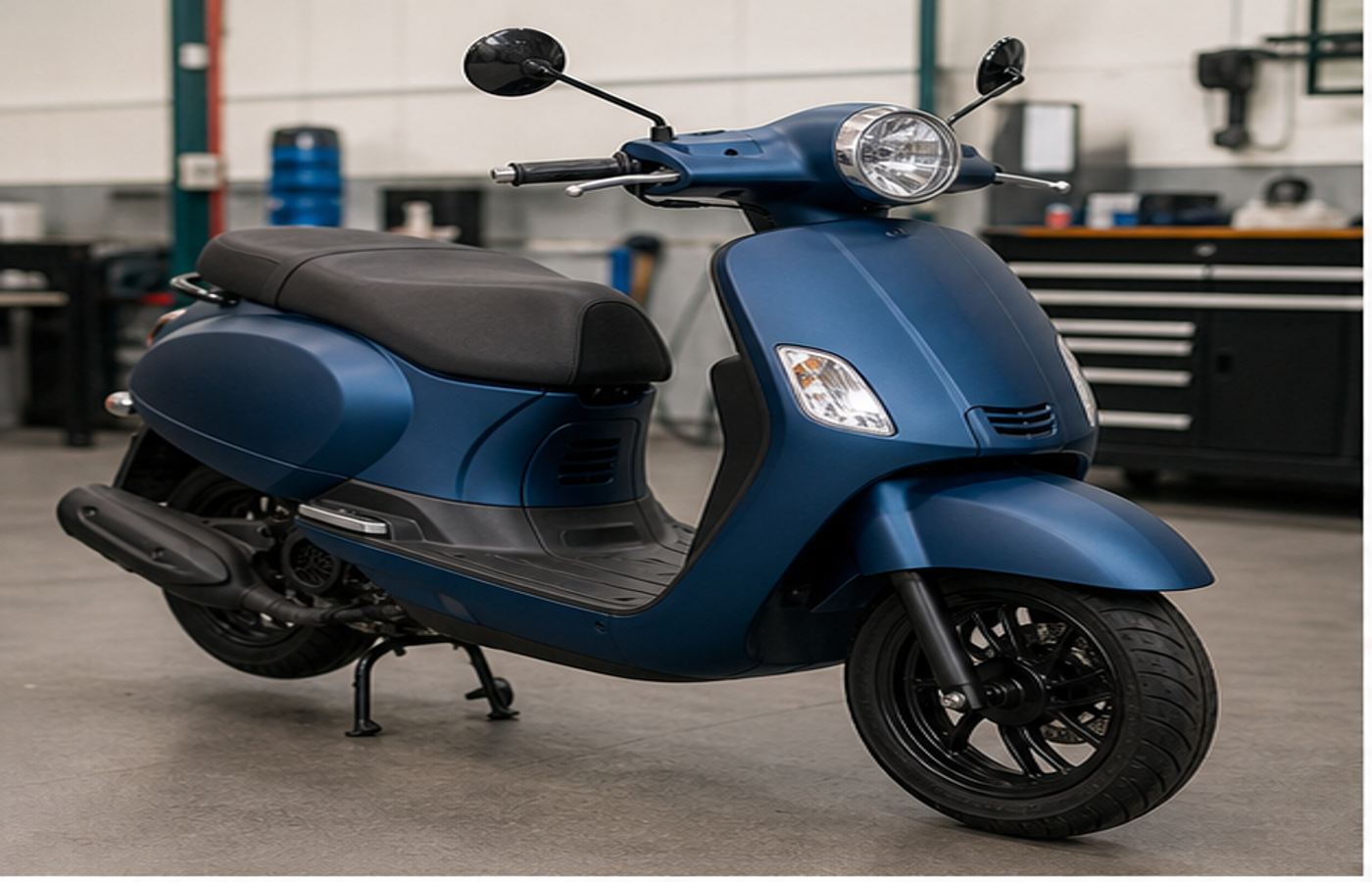
What derestriction means on a 50i scooter
Kymco Filly 50i derestriction usually means removing or changing a feature that keeps the scooter within its intended 50cc moped performance. On small scooters that feature can be electronic, mechanical or both. Older machines may have CDI limits, exhaust washers or variator spacers. Fuel-injected versions can also involve ECU logic, injector behaviour, throttle position, speed signal and emission calibration.
The first useful distinction is between a restricted scooter and a neglected scooter. A restricted but healthy scooter usually starts cleanly, idles steadily, pulls smoothly and then reaches a repeatable speed ceiling. A neglected scooter may hesitate, bog, smoke, overheat, slip the belt, vibrate, drag a brake or lose speed on small hills. Those symptoms should be repaired before any tuning part is fitted.
Kymco model names and specifications vary by market and production year, so confirm your exact machine from the VIN plate, registration documents and owner information. The official Kymco website is the safest starting point for manufacturer context, but the labels and parts on your own scooter are more important than a forum post about another market version.
Why a 50cc scooter can feel slower than expected
Kymco Filly 50i derestriction is often searched after the scooter struggles on hills, feels flat at the top end or cannot keep up with traffic where mopeds are expected. That does not prove the limiter is the problem. A worn CVT belt can sit lower in the pulleys and reduce road speed. Flat variator rollers can stop the transmission shifting properly. A blocked air filter or weak spark can make the engine feel strangled. A dragging front brake can steal more power than people expect from a 50cc engine.
The workshop mindset is simple: restore the scooter to correct standard condition first. On a small moped, every little loss matters. Tyre pressure, brake drag, belt width, roller weight, plug colour, injector cleanliness and exhaust condition all change how much of the engine’s modest power reaches the rear wheel.
Baseline checks before buying parts
Kymco Filly 50i derestriction should start with a baseline ride and inspection. Use a safe, legal route and record how the scooter starts cold, idles, accelerates, climbs, reaches top speed and restarts hot. Check whether the limit is smooth and repeatable or whether the scooter feels inconsistent. Inconsistency usually points to maintenance, fuel, ignition, CVT or brake problems rather than a clean restriction.
| Check point | What to inspect | Why it matters |
|---|---|---|
| Model identity | VIN, year, market, engine label and registration category | Parts vary between 50cc versions and markets |
| CVT condition | Belt width, rollers, variator faces, clutch and cover sealing | A worn CVT can mimic a speed restriction |
| Electrical system | Battery voltage, ECU/CDI connectors, grounds and fault lights | Electronic changes need a healthy loom |
| Engine service | Air filter, spark plug, injector, valve clearance where applicable | Small engines lose performance quickly when neglected |
| Chassis drag | Tyres, brakes, wheel bearings and suspension movement | Drag reduces speed and increases fuel use |
For related scooter logic, compare this article with the Honda NSC 50 R power increase guide, the Aprilia SXR 50 exhaust guide and the Super Soco TSX derestriction guide. The drivetrains differ, but the same practical rule applies: diagnose the vehicle before buying parts.
Compatibility table
Kymco Filly 50i derestriction can include CVT parts, ECU or CDI work, exhaust changes, intake service or simply returning the scooter to standard health. Some parts are model-specific. Some are universal only in the loosest sense. A 50cc scooter has little spare power, so a wrong part often makes it worse rather than faster.
| Vehicle or part type | Compatibility | Important note |
|---|---|---|
| Kymco Filly 50i road moped | Only with parts matched to exact year and engine type | Road legality and insurance may change if speed category changes |
| Variator kit | Depends on crankshaft, belt size and roller dimensions | Wrong rollers can ruin acceleration or over-rev the engine |
| CDI or ECU part | Only if connector, ignition/injection logic and voltage match | Fuel-injected scooters are not all CDI-compatible |
| Exhaust system | Requires correct flange, mounting points and sensor/catalyst layout | Noise, E-mark and emissions equipment matter for road use |
| Private-use project | Often more flexible | Safety, brakes and engine reliability still matter |
Anyone considering parts should photograph the variator, belt, exhaust flange and ECU connector before ordering. The motorcycle exhausts category and chip tuning module category can help with comparison, but final fitment must be based on the exact scooter in front of you.
CVT, belt and variator checks
Kymco Filly 50i derestriction often starts under the CVT cover. The variator, belt and clutch decide how the engine’s small power output becomes road speed. A 50cc scooter can lose several mph from a belt that is too narrow, rollers that have flat spots, clutch dust, a weak contra spring or a variator that does not close fully.
Remove the CVT cover only when the scooter is safely supported and you have the correct tools. Inspect belt width and condition, check for cracking or glazing, clean clutch dust, look for flat rollers and make sure the variator boss, ramp plate and pulley faces are not damaged. If a spacer or washer is present in the variator, identify whether it is a legal restriction, a factory component or a previous owner’s modification before removing anything.
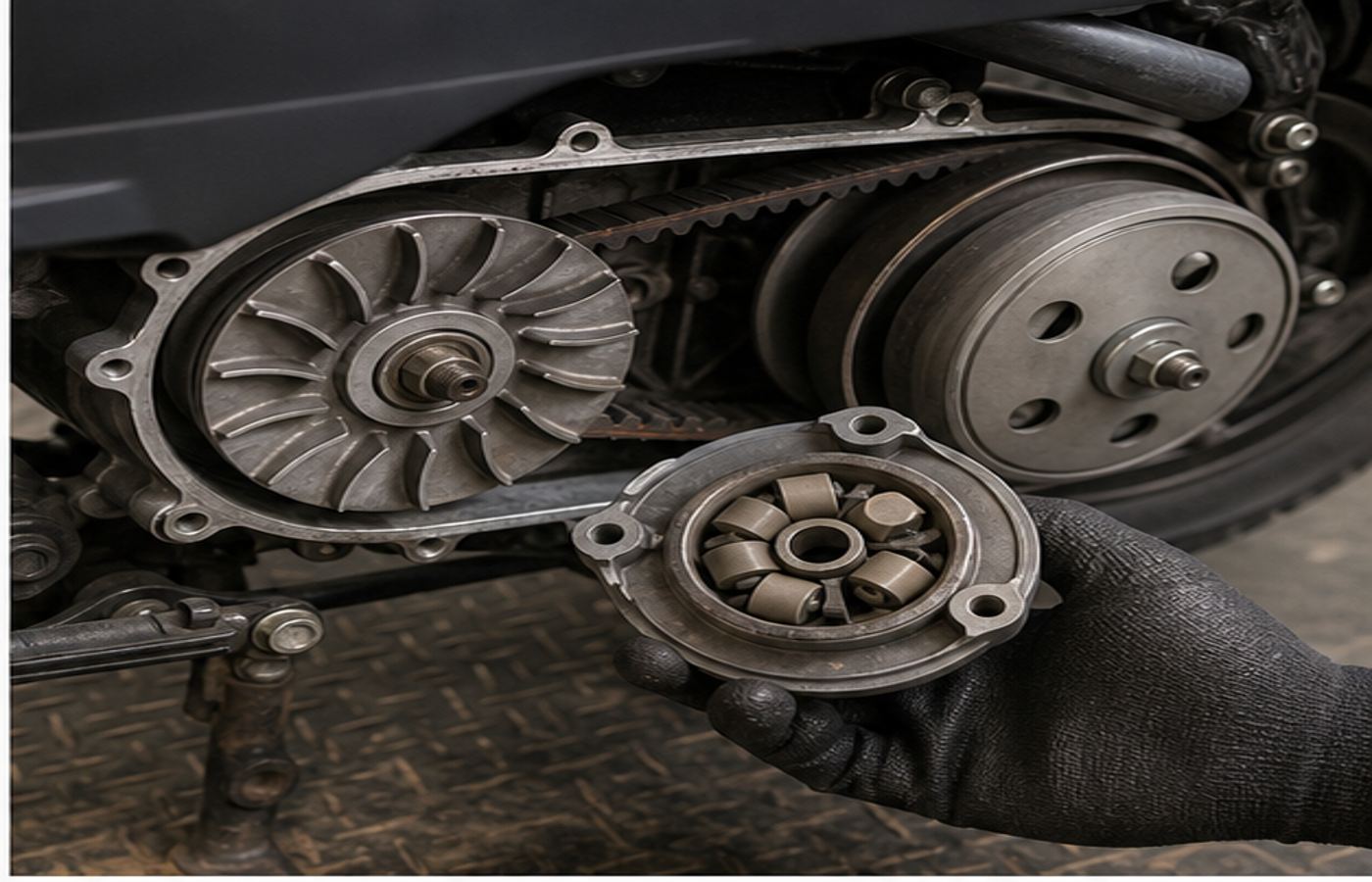
Roller weight and real road behaviour
Kymco Filly 50i derestriction can fail if roller weight is chosen blindly. Lighter rollers may improve revs and acceleration but can reduce top speed if too light. Heavier rollers may lower revs but make the scooter lazy off the line. A good setup keeps the engine in its useful power band without screaming, bogging or slipping the belt.
Do not judge CVT setup from a centre-stand rev test. A scooter behaves differently under load with the rider on it. Test on the road where legal, listen for over-revving, check belt temperature after riding and inspect again for dust or glazing. On a 50cc scooter, smooth drive is often faster in real traffic than a setup that only sounds aggressive.
| Symptom | Likely area | Workshop check |
|---|---|---|
| Revs rise but speed does not follow | Belt slip or wrong roller setup | Inspect belt width, clutch and variator faces |
| Poor pull away | Clutch, rollers or engine service | Check clutch shoes, rollers, plug and air filter |
| Good acceleration but weak top speed | Variator shift, limiter or exhaust restriction | Measure belt travel and inspect exhaust/flange |
| Jerky drive | Flat rollers or contaminated clutch | Open CVT and clean/replace worn parts |
| Speed varies day to day | Fuel, ignition, belt heat or brake drag | Check service items before tuning |
ECU, CDI and injection considerations
Kymco Filly 50i derestriction can involve electronics, but the phrase “CDI” gets used too loosely online. A fuel-injected 50i may not use the same simple ignition box as an older carburetted scooter. It may have ECU control, sensors, injector timing, idle control and diagnostic behaviour. Plugging in the wrong box can create poor starting, warning lights, misfiring or a scooter that will not run.
Before touching wiring, check battery voltage, grounds, fuse condition, connector corrosion and whether the scooter has stored faults. Photograph every connector before unplugging it. Do not pull wires by the insulation. Do not force plugs. Do not cut into the harness unless you are prepared to diagnose and repair it properly.
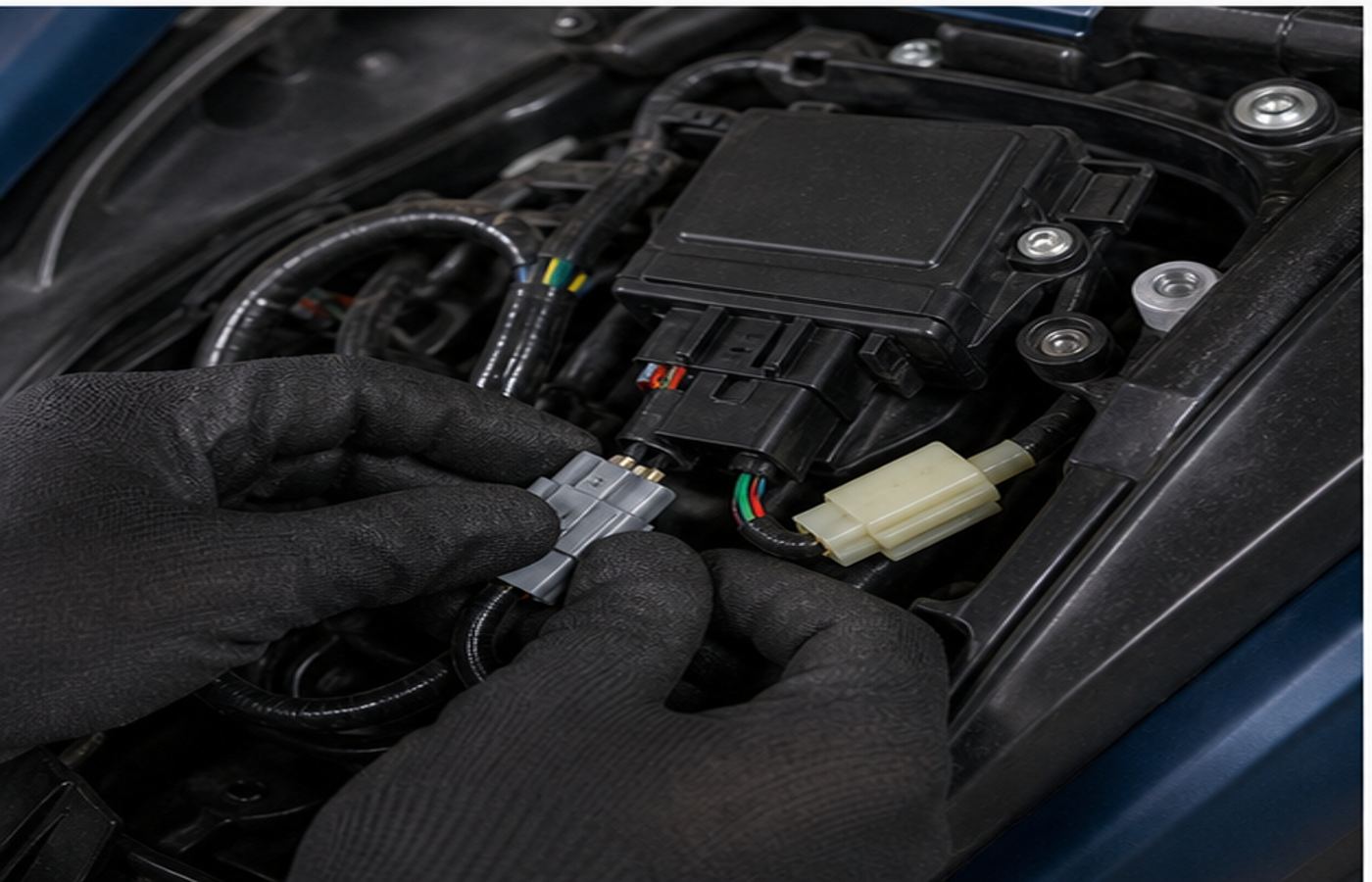
Fuel injection and throttle response
Kymco Filly 50i derestriction should not make the scooter hard to start, smoky, flat or thirsty. If it does, the setup is wrong or an existing fault has been exposed. A clean 50i should idle steadily, restart hot, pull away without hesitation and respond predictably to small throttle openings.
Check the intake boot for cracks, inspect the air filter, look for vacuum leaks where applicable and make sure the throttle cable returns freely. If the scooter has injection, injector cleanliness and sensor inputs matter. Performance work cannot compensate for bad basic maintenance.
Exhaust, intake and brake checks
Kymco Filly 50i derestriction sometimes includes exhaust work, especially if the scooter has a restricted header, catalytic equipment or a tired silencer. Before buying an exhaust, measure the flange, stud spacing, pipe route, silencer mount and clearance around bodywork. Check whether the exhaust is road-approved, has an E-mark where required and retains emissions equipment if the scooter needs it for road use.
A 50cc exhaust that is too open can make the scooter louder without making it quicker. It can also hurt low-speed response, attract unwanted attention and create MOT or insurance problems. Intake changes have the same risk. A pod filter may look sporty but often makes a small road scooter harder to tune and more vulnerable to water and dirt.
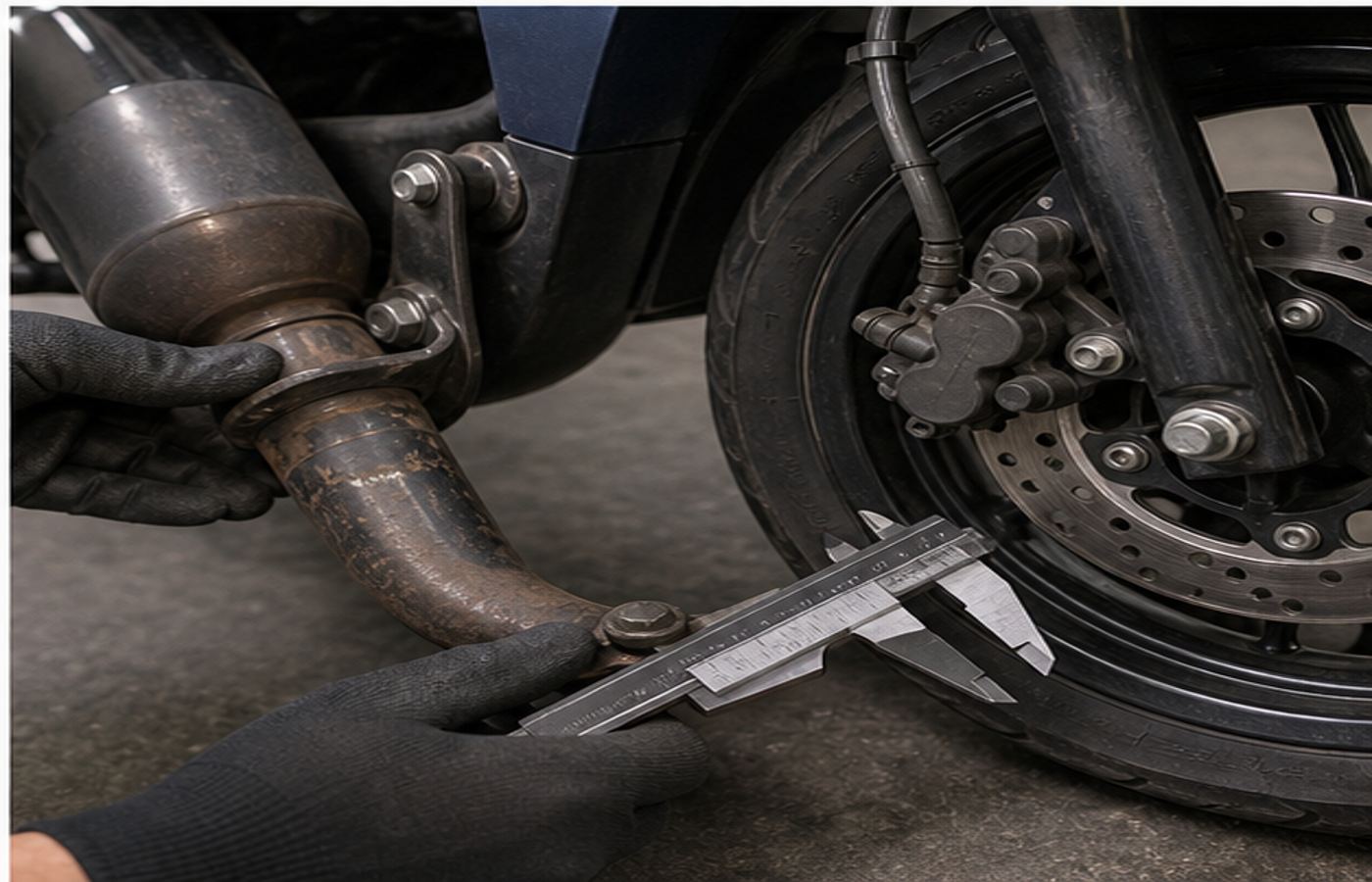
Brakes and tyres deserve equal attention. A scooter that can travel faster must still stop straight and confidently. Check pad thickness, disc condition, drum adjustment if fitted, lever feel, tyre age, tread and pressure. A tiny gain in speed is not worth poor braking.
UK road legality and moped rules
Kymco Filly 50i derestriction has a legal side that UK riders cannot ignore. GOV.UK explains moped and motorcycle licence categories, including AM moped requirements, age rules and category limits, on its motorcycle and moped licence category page. If a scooter is changed so it no longer behaves like the moped it is registered and insured as, the rider may need a different licence category and insurance description.
Road legality is not only about top speed. It can involve type approval, MOT condition, insurance disclosure, noise, emissions, E-marked exhaust parts, tyres, lights and brakes. GOV.UK’s MOT inspection guidance for motorcycles is also useful for understanding roadworthiness checks; see the MOT inspection manual for motorcycles for the official framework.
Rules differ in other English-speaking markets. The United States, Canada, Australia, New Zealand and Ireland can classify mopeds and 50cc scooters differently. A derestriction method described in another country may be mechanically interesting but legally irrelevant where you ride. Always separate road use from private land, track use and workshop testing.
Common mistakes
Kymco Filly 50i derestriction goes wrong most often because owners skip diagnosis. They buy a CDI for a scooter that needs CVT service. They fit an exhaust without measuring the flange. They remove a variator washer but ignore a worn belt. They copy roller weights from a different engine. They ride an altered moped on the road without checking licence and insurance.
Buying a universal part without measuring
Universal does not mean plug-and-play. Measure belt size, roller dimensions, exhaust mounting, connector shape and sensor layout. A part that nearly fits can still damage the scooter or make it run worse.
Ignoring the service baseline
A dirty air filter, worn spark plug, weak battery, old belt or dragging brake can make the scooter feel restricted. Fixing those items first often gives the biggest improvement for the least risk.
Removing legal equipment blindly
Kymco Filly 50i derestriction should never mean stripping out anything that affects roadworthiness without understanding the consequences. Exhaust emissions parts, noise control, lights, speedometer function and brakes all matter on a road scooter.
Expecting 125cc performance
A 50cc four-stroke scooter remains a small-capacity machine. Even when set up well, it has limited power. Chasing unrealistic speed can reduce reliability, increase noise and make the scooter unpleasant for daily use.
Workshop-style setup advice
Kymco Filly 50i derestriction should be handled in stages. Start with tyre pressure, brake drag, belt width, roller condition, plug, air filter, battery voltage and exhaust condition. Then identify whether the scooter has a mechanical CVT restriction, an electronic limit, an exhaust restriction or simply normal moped calibration. Only after that should you choose parts.
After any change, test gently. Check starting, idle, throttle response, brake feel, belt temperature, warning lights and hot restart. Ride a short route, let the scooter cool, inspect again and compare results against your baseline. A clean result is smooth, predictable and repeatable. A scooter that is louder but slower has not been improved, and Kymco Filly 50i derestriction should never hide a fault that still needs repair.
If you are unsure about wiring, injection faults, exhaust legality or CVT torque settings, use a qualified scooter mechanic. Small scooters are simple in appearance but easy to damage with the wrong tools. A careful owner saves money by measuring twice and buying once.
FAQ about Kymco Filly 50i derestriction
Can a Kymco Filly 50i be derestricted?
Kymco Filly 50i derestriction may be possible on some versions, but it depends on the exact year, market, CVT setup, ECU or CDI arrangement, exhaust design and road-use requirements.
Is derestricting a 50cc scooter legal in the UK?
Kymco Filly 50i derestriction can affect UK legality if the scooter no longer fits its registered moped category or the rider’s licence and insurance. Check GOV.UK guidance and speak to the insurer before road use.
Will derestriction make the Filly 50i much faster?
It may improve top speed if a genuine restriction is present, but the result is limited by engine power, CVT setup, rider weight, hills, wind and condition. A well-serviced scooter often feels better than a badly modified one.
Should I change the variator rollers?
Roller weight can change acceleration and top-speed behaviour, but it must suit the belt, variator and engine. Randomly fitting lighter rollers can make the scooter noisy and slower at the top end.
Can I fit a sports exhaust?
A sports exhaust only makes sense if the flange, mounting points, pipe route, emissions equipment and road legality are correct. A loud exhaust that does not match the engine can reduce low-speed response.
Do I need an ECU or CDI for derestriction?
Only if the scooter actually has an electronic limit that can be changed safely. Fuel-injected 50i scooters may use ECU logic rather than a simple old-style CDI, so connector and system confirmation are essential.
What should I check before buying parts?
Check VIN, model year, belt size, roller dimensions, variator condition, ECU connector, exhaust flange, battery voltage, brake condition and intended road use before ordering anything.
Why did my scooter get slower after tuning?
The usual causes are wrong roller weight, belt slip, poor exhaust match, air leaks, weak spark, injector issues or a change that confused the electronic system. Return to baseline and diagnose one area at a time.
Final advice before modifying a Filly 50i
Kymco Filly 50i derestriction is worth considering only after the scooter is healthy and the owner understands the legal and mechanical trade-offs. If the scooter is a daily road moped, reliability, braking, tyres, insurance and fuel economy may matter more than a few extra mph. If it is a private-use project, document every change and keep original parts.
The right path is practical: identify the scooter, service it properly, inspect the CVT, confirm the electronics, measure the exhaust and check the law. Then decide whether a variator setup, compatible electronic part, exhaust work or no modification at all is the sensible answer. For most owners, a cleanly serviced and legally understood scooter is more valuable than a noisy, unreliable one, which is why Kymco Filly 50i derestriction should be treated as a final setup decision rather than the first job.
{
“@context”: “https://schema.org”,
“@type”: “Article”,
“headline”: “Kymco Filly 50i derestriction”,
“description”: “Kymco Filly 50i derestriction guide to CVT checks, ECU or CDI compatibility, exhaust fitment, UK moped legality, common mistakes and realistic 50cc scooter setup.”,
“author”: {
“@type”: “Organization”,
“name”: “X Moto Parts”
},
“publisher”: {
“@type”: “Organization”,
“name”: “X Moto Parts”,
“logo”: {
“@type”: “ImageObject”,
“url”: “https://xmotoparts.com/wp-content/uploads/2026/07/x-moto-parts-logo.png”
}
},
“mainEntityOfPage”: “https://xmotoparts.com/kymco-filly-50i-derestriction/”,
“image”: [
“https://xmotoparts.com/wp-content/uploads/2026/07/kymco-filly-50i-derestriction.jpg”,
“https://xmotoparts.com/wp-content/uploads/2026/07/kymco-filly-50i-derestriction-cvt-check.jpg”,
“https://xmotoparts.com/wp-content/uploads/2026/07/kymco-filly-50i-derestriction-ecu-check.jpg”,
“https://xmotoparts.com/wp-content/uploads/2026/07/kymco-filly-50i-derestriction-exhaust-brake-check.jpg”
]
}
{
“@context”: “https://schema.org”,
“@type”: “FAQPage”,
“mainEntity”: [
{
“@type”: “Question”,
“name”: “Can a Kymco Filly 50i be derestricted?”,
“acceptedAnswer”: {
“@type”: “Answer”,
“text”: “Kymco Filly 50i derestriction may be possible on some versions, but it depends on the exact year, market, CVT setup, ECU or CDI arrangement, exhaust design and road-use requirements.”
}
},
{
“@type”: “Question”,
“name”: “Is derestricting a 50cc scooter legal in the UK?”,
“acceptedAnswer”: {
“@type”: “Answer”,
“text”: “Kymco Filly 50i derestriction can affect UK legality if the scooter no longer fits its registered moped category or the rider’s licence and insurance.”
}
},
{
“@type”: “Question”,
“name”: “Will derestriction make the Filly 50i much faster?”,
“acceptedAnswer”: {
“@type”: “Answer”,
“text”: “It may improve top speed if a genuine restriction is present, but the result is limited by engine power, CVT setup, rider weight, hills, wind and condition.”
}
},
{
“@type”: “Question”,
“name”: “Should I change the variator rollers?”,
“acceptedAnswer”: {
“@type”: “Answer”,
“text”: “Roller weight can change acceleration and top-speed behaviour, but it must suit the belt, variator and engine.”
}
},
{
“@type”: “Question”,
“name”: “Can I fit a sports exhaust?”,
“acceptedAnswer”: {
“@type”: “Answer”,
“text”: “A sports exhaust only makes sense if the flange, mounting points, pipe route, emissions equipment and road legality are correct.”
}
},
{
“@type”: “Question”,
“name”: “Do I need an ECU or CDI for derestriction?”,
“acceptedAnswer”: {
“@type”: “Answer”,
“text”: “Only if the scooter actually has an electronic limit that can be changed safely; fuel-injected 50i scooters may use ECU logic rather than a simple old-style CDI.”
}
},
{
“@type”: “Question”,
“name”: “What should I check before buying parts?”,
“acceptedAnswer”: {
“@type”: “Answer”,
“text”: “Check VIN, model year, belt size, roller dimensions, variator condition, ECU connector, exhaust flange, battery voltage, brake condition and intended road use.”
}
},
{
“@type”: “Question”,
“name”: “Why did my scooter get slower after tuning?”,
“acceptedAnswer”: {
“@type”: “Answer”,
“text”: “The usual causes are wrong roller weight, belt slip, poor exhaust match, air leaks, weak spark, injector issues or a change that confused the electronic system.”
}
}
]
}