
Leonart Pilder 125 tuning: realistic power, exhaust, chip module and cruiser setup guide
Leonart Pilder 125 tuning should start with one honest fact: this is a heavy, long-wheelbase 125 cc cruiser with dramatic styling, not a light race replica waiting for one miracle part. The Pilder’s appeal is its presence, relaxed riding position, wide rear tyre, twin-cylinder character and custom look. Good tuning should improve how the bike feels without spoiling the comfort, reliability and road legality that make it usable.
This guide is for riders who want practical answers before buying parts. It covers chip tuning modules, exhaust choices, chain and sprocket checks, tyre effects, weight, gearing, UK road legality, warranty concerns, installation mistakes and realistic expectations. If you are researching Leonart Pilder 125 tuning, the best starting point is not the loudest exhaust or the biggest claim; it is the exact model year, engine condition, connector layout and the kind of roads you actually ride.
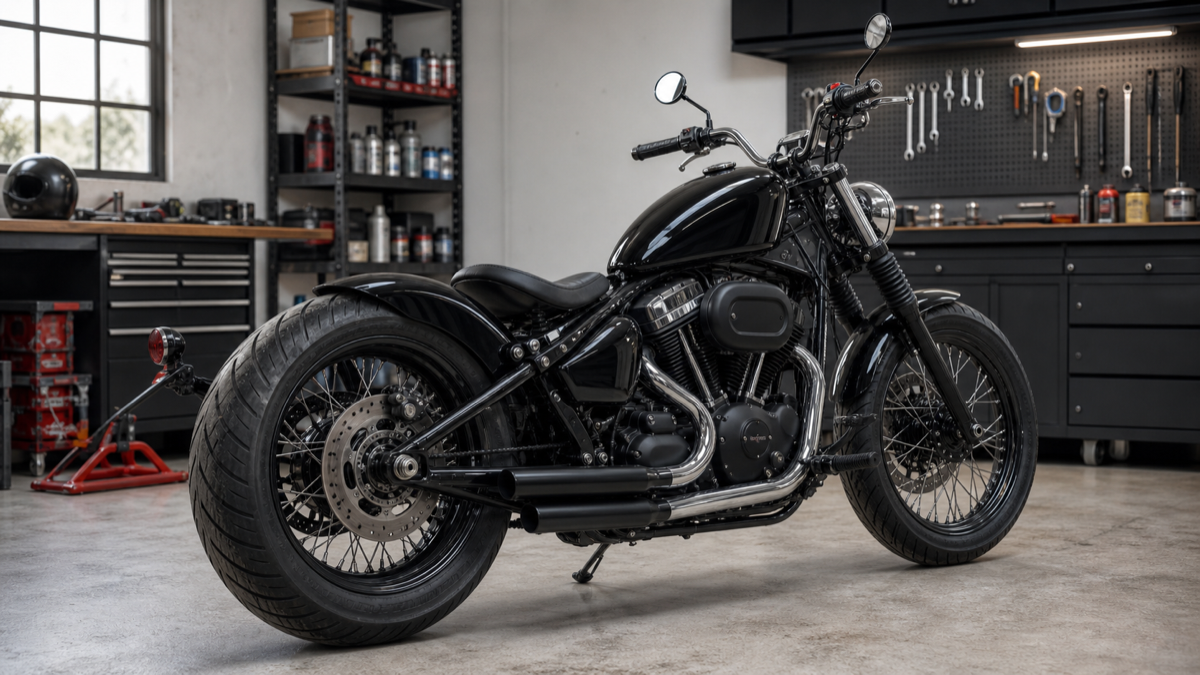
What Pilder 125 tuning can realistically improve
Leonart Pilder 125 tuning can improve throttle feel, make the engine response cleaner, help the bike feel less lazy after exhaust changes and sharpen the way it pulls through normal road speeds. It cannot remove the basic limits of a 125 cc four-stroke motorcycle, the legal A1 category, the bike’s curb weight or the effect of a very wide rear tyre.
Leonart lists the Pilder 125 with a 125 cc four-stroke water-cooled inline twin, 10 kW maximum power, 9 Nm torque, six-speed gearbox, chain transmission, 12 litre fuel tank, 188 kg curb weight, 100/90-19 front tyre and 190/50ZR17 rear tyre. Those numbers matter because Leonart Pilder 125 tuning is not working with a featherweight commuter. It is working with a custom-style 125 that carries a lot of visual mass and mechanical presence. You can review the model details on the official Leonart Pilder 125 specification page.
The right aim is a Pilder that starts cleanly, idles reliably, pulls smoothly, keeps its cruiser feel and does not become unpleasant in town. A louder exhaust or aggressive setting can make the bike feel more dramatic, but drama is not the same as usable performance. Sensible Leonart Pilder 125 tuning improves the motorcycle the rider already likes.
Workshop baseline before adding parts
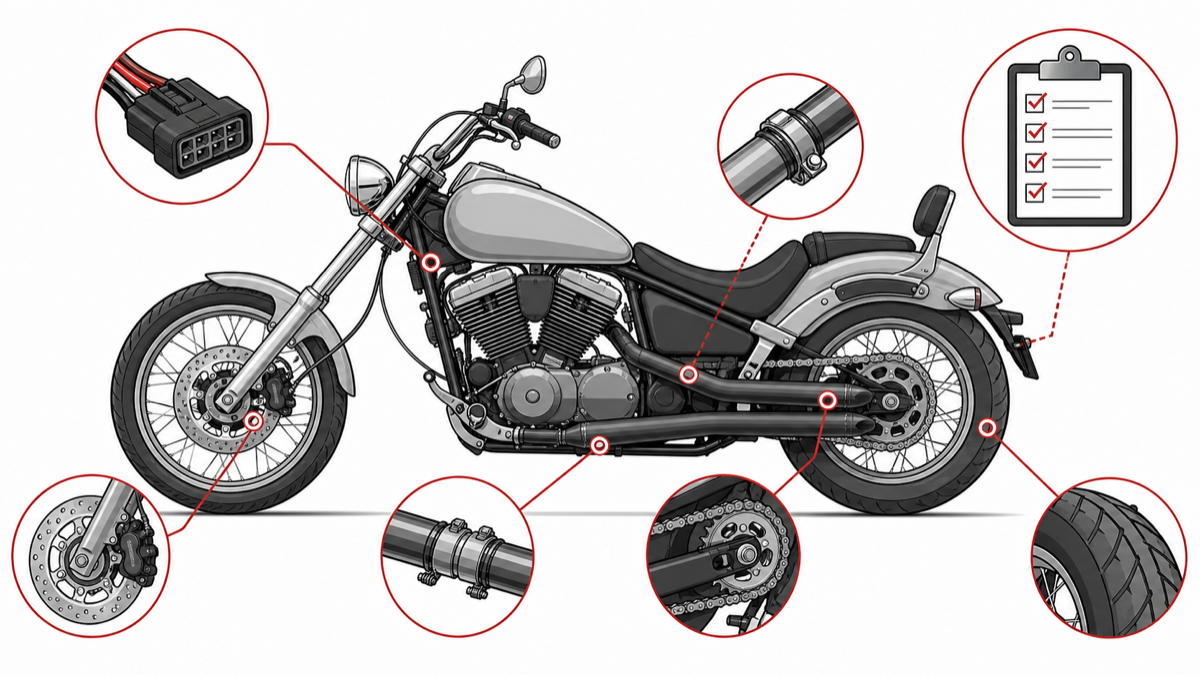
Before spending money on Leonart Pilder 125 tuning, check whether the motorcycle is simply losing performance through basic condition. A 125 cruiser with a tight chain, weak battery, dragging brake, dirty air filter, poor tyre pressure or leaking exhaust joint can feel much slower than it should. Adding performance parts before fixing those faults makes diagnosis harder.
Start with the service items: oil level, coolant level, air intake condition, spark plug age, battery voltage, brake drag, chain slack, sprocket wear, tyre pressure and exhaust security. The Pilder’s long stance and large rear tyre make rolling resistance and drivetrain condition especially important. A dry or badly adjusted chain can dull acceleration before the engine is even part of the conversation.
| Baseline check | Why it matters on the Pilder | What to do before tuning |
|---|---|---|
| Chain slack and alignment | Long-wheelbase cruisers can feel heavy if the final drive is tight or worn | Adjust slack, inspect tight spots and align the rear wheel |
| Rear tyre pressure | The wide rear tyre can add drag when under-inflated | Set cold pressure correctly and inspect wear pattern |
| Battery and charging | EFI and lighting need stable voltage | Check resting voltage and starting behaviour |
| Exhaust joints | Leaks can create noise and poor running impressions | Check clamps, gaskets, brackets and soot marks |
| Brake drag | CBS hardware and large discs must release cleanly | Spin wheels safely and inspect pads/calipers |
For final-drive basics, use the motorcycle chain tension adjustment guide before judging any Leonart Pilder 125 tuning result. Chain health is a boring check, but it is one of the cheapest ways to recover lost road feel.
Compatibility: model year, Euro 5+, connectors and real fitment
The most important part of Leonart Pilder 125 tuning is compatibility. Do not buy parts only because the listing says “Pilder 125”. Check the exact model year, Euro standard, connector type, sensor position, exhaust layout, airbox condition, chain size and whether the motorcycle has already been modified.
A part can physically plug in and still be a poor match if the harness routing is strained, the sensor logic differs, the exhaust is leaking or the bike has a market-specific specification. On a 125 cc motorcycle, small errors are easy to feel. A wrong connector, loose ground or poorly routed cable can turn a simple upgrade into a fault-finding job.
| Setup | Compatibility | Important note |
|---|---|---|
| Stock Leonart Pilder 125 | Best starting point | Confirm year, connector layout and service condition |
| Road-legal exhaust fitted | Often possible | Check DB-killer, catalyst status, oxygen sensor and joint seal |
| Open intake or filter change | Needs caution | Can affect fuelling, wet-weather behaviour and reliability |
| Different sprocket ratio | Possible with correct chain setup | May change cruising revs and speedometer behaviour |
| Private-area or show project | More flexible | Road legality and insurance may no longer be straightforward |
If your goal is restriction-related rather than broad setup, read the existing Leonart Pilder 125 derestriction guide. This article treats Leonart Pilder 125 tuning as a wider owner decision involving exhaust, electronics, final drive, weight and road use.
Chip module and fuelling setup
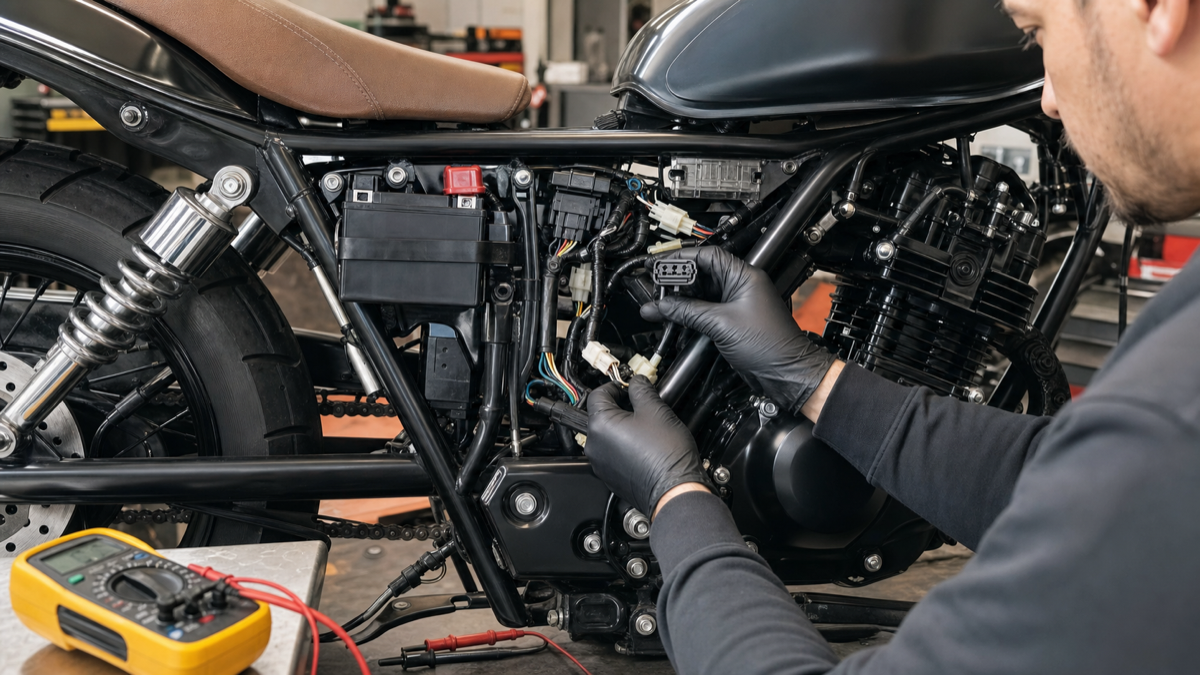
A plug-in module can be part of Leonart Pilder 125 tuning when the motorcycle is healthy and the rider wants smoother pickup or a cleaner response after mild changes. It should be reversible and set conservatively. The best module setup is not the one that feels wild for five minutes; it is the one that keeps starting, idle, low-speed traffic and hot running predictable.
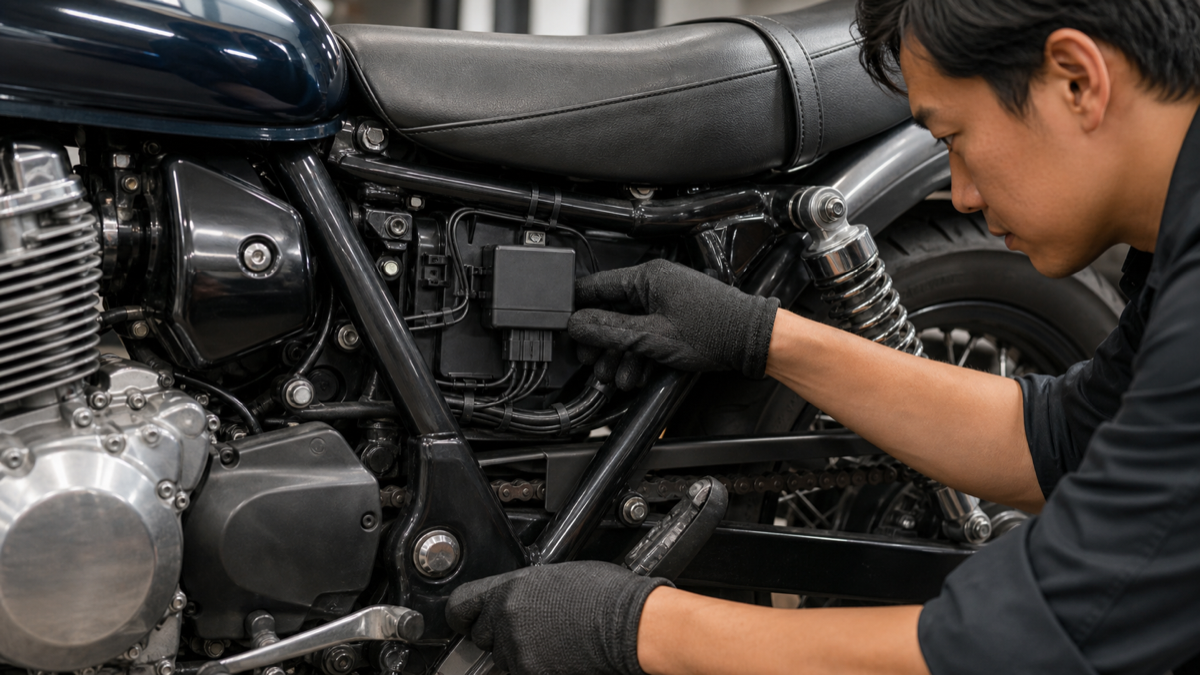
Install with the ignition off. Never force a connector. Compare plug shape, pin layout and cable reach before applying pressure. Route wiring away from the cylinder head, exhaust heat, chain, suspension movement and sharp brackets. After fitting, check that the dash behaves normally, the engine starts cleanly and no warning light appears.
A careful rider tests one setting at a time. Warm the engine, use the same route, include slow traffic, a moderate hill, a steady cruise and a safe roll-on. If Leonart Pilder 125 tuning makes the bike smell rich, idle roughly, hesitate or feel worse once hot, step back and inspect the basics before increasing any setting.
Exhaust tuning, sound and DB-killer choices
Many owners begin Leonart Pilder 125 tuning with the exhaust because the Pilder’s cruiser shape invites a deeper sound. That is understandable, but an exhaust should be chosen for fitment and road use as much as tone. Pipe diameter, mounting points, gasket seal, bracket strength, DB-killer, catalytic converter position and approval markings all matter.
A loud exhaust can make a 125 feel more exciting, but it does not automatically make it faster. If the exhaust loses back pressure in the wrong area, leaks at a joint or removes road-legal equipment, the bike may become worse in the part of the rev range used every day. The best cruiser exhaust is secure, not excessive, and matched to the engine’s real airflow needs.
Before buying a universal silencer or pipe section, compare diameter, clamp position and clearance using the universal motorcycle exhaust buying guide. For custom-style 125 motorcycles, fitment is rarely just about whether the pipe can be made to fit; it is also about heat, ground clearance, passenger clearance and legal noise.
| Upgrade path | Main advantage | Possible disadvantage | Best use |
|---|---|---|---|
| Stock bike refreshed | Reliable and easy to diagnose | Less dramatic sound | Daily riding and baseline testing |
| Chip module only | Reversible response tuning | Limited if maintenance is poor | Healthy bike with confirmed connectors |
| Road-legal exhaust | Better sound and appearance | Approval and fitment must be checked | Riders wanting character without MOT stress |
| Sprocket change | Can improve pull at lower speeds | May increase cruising revs | City or hillier riding |
| Full mixed setup | Most personalised result | Harder to diagnose, insure and reverse | Experienced owners working step by step |
Chain, sprockets and cruiser performance
Leonart Pilder 125 tuning is strongly affected by gearing because the bike is visually and physically larger than many 125s. A shorter final drive may make the motorcycle feel more eager when pulling away, but it can also raise revs at cruising speed. A taller final drive may feel calmer, but it can make hills and headwinds more frustrating.
Do not change sprockets until the chain and tyres are correct. The Pilder’s wide rear tyre is part of the look, but it also means rolling resistance matters. Correct pressure, fresh bearings, free brakes and a clean chain can improve feel before any performance part is fitted. For a similar 125 cruiser mindset, compare the Daytona Dymoto 125 tuning guide, where weight, gearing and road feel also matter more than headline power claims.
Which setup suits your riding?
The best Leonart Pilder 125 tuning setup depends on how the bike is used. A city rider needs clean pickup, smooth clutch control, manageable sound and easy hot starting. A weekend rider may care more about roll-on response and sound character. A show-style owner may prioritise appearance, but the motorcycle still needs safe clearance, good wiring and secure exhaust mounts.
If the Pilder is used as a daily 125, keep the setup simple. Avoid parts that make the bike difficult to insure, noisy on early starts or unreliable in rain. If the bike is mainly a leisure cruiser, you can accept a little more character, but the engine still needs to run cleanly at small throttle openings. A polished custom look is not worth much if the bike becomes awkward in normal traffic.
| Rider type | Most useful focus | What to avoid |
|---|---|---|
| Daily commuter | Reliability, smooth response, legal noise and low running cost | Track-only parts and aggressive settings |
| Weekend cruiser rider | Sound, roll-on response and comfort | Exhausts that drone or remove low-speed smoothness |
| Learner rider | Predictable throttle, easy starts and insurance clarity | Undeclared modifications and irreversible wiring |
| Show-style build | Tidy wiring, polished exhaust fitment and visual balance | Parts that compromise heat clearance or braking access |
How to road-test changes properly
The Pilder needs a fair test after any change. Use the same fuel level if possible, the same tyre pressures and the same route. Include a cold start, a warm idle check, a slow town section, one hill, one steady cruise and a safe roll-on from medium speed. Do not judge the result from a single noisy acceleration run; that only tells you the bike sounds different.
Ride the first miles gently. Listen for exhaust leaks, bracket vibration, chain noise, brake drag and any change in hot starting. If the engine becomes harder to start after a heat soak, if the idle hunts, if throttle response is sharp in a bad way or if the bike feels weaker at small throttle openings, stop increasing settings and inspect the installation. A correct setup should make the motorcycle easier to enjoy, not more tiring to ride.
After the first ride, let the bike cool and inspect it again. Look for cable ties that have moved, wires touching the frame, marks near the exhaust, loose clamps, damaged insulation and any smell of fuel. Check the rear axle area and chain again because vibration can expose a poor adjustment. The best tuning work often looks almost invisible once the side covers are back on: secure wiring, clean fasteners, no stretched cables and no rushed shortcuts.
UK legality, MOT, insurance and English-speaking markets
For UK riders, Leonart Pilder 125 tuning must be separated into road use, track use and private land. A product that is sold for competition, show or off-road use should not be assumed legal for public roads. Exhaust noise, emissions equipment, number plate clearance, lighting, braking condition and insurance disclosure all matter.
GOV.UK’s motorcycle MOT guidance says the exhaust must not be clearly unreasonably louder than a similar motorcycle with a standard silencer, and insecure exhaust parts are defects: GOV.UK motorcycle MOT exhaust noise guidance. That does not mean every aftermarket exhaust fails, but it does mean a noisy or poorly secured system can cause real trouble.
Tell your insurer about performance-related changes. A chip module, exhaust, intake change or sprocket alteration can count as a modification. Warranty can also be affected if a related engine, electrical, emissions or fuelling issue appears after aftermarket parts are fitted. Rules differ between the UK, Ireland, United States, Canada, Australia and New Zealand, so always check the rules where the motorcycle is registered and ridden.
Common mistakes
The biggest mistake in Leonart Pilder 125 tuning is treating the Pilder like a lightweight sport 125. It is a cruiser with mass, wheelbase and style. It responds best to measured setup work rather than chasing unrealistic claims. Buying a loud exhaust without checking approval, removing a DB-killer for road use or fitting electronics before fixing maintenance issues can all make the bike worse.
Other mistakes include forcing connectors, routing wiring near heat, ignoring chain slack, changing exhaust and chip settings on the same day, choosing sprockets without considering cruising revs, forgetting tyre pressure, failing to disclose modifications to insurance, expecting a huge top-speed gain and throwing away the original parts. Calm, reversible work is almost always better than dramatic guesses.
Mechanic-style advice before buying parts
When a 125 cruiser feels slow, the workshop approach is simple: inspect it before modifying it. Check whether the rear brake is dragging, whether the chain has tight spots, whether the airbox is sealed, whether the exhaust is leaking and whether the battery is strong. A bike that feels flat may need servicing more than tuning.
For Leonart Pilder 125 tuning, take photos before unplugging connectors, mark the original adjustment position, road-test on the same route and keep every stock part. After fitting anything, ride gently first, then check for hot-start behaviour, warning lights, exhaust leaks, loose brackets, cable rub and heat marks. A clean installation should look deliberate, not improvised.
FAQ about Leonart Pilder 125 tuning
Is Leonart Pilder 125 tuning worth it?
Leonart Pilder 125 tuning is worth it if the goal is smoother response, better sound within legal limits and a cleaner setup. It is not worth it if you expect a heavy 125 cruiser to perform like a much larger motorcycle.
Can a chip module make the Pilder 125 much faster?
A chip module may improve throttle feel or help match mild exhaust or intake changes, but it cannot change the engine size, bike weight, gearing physics or A1-class limits. Expect response improvement more than a dramatic top-speed gain.
Does the Pilder 125 need a remap after an exhaust?
Not every road-legal exhaust needs remapping. If the bike hesitates, smells rich, runs hot, surges or shows a warning light after an exhaust change, inspect fitment, leaks and fuelling before continuing to ride.
Is an aftermarket exhaust legal in the UK?
It depends on noise, approval, emissions equipment, DB-killer condition and how the bike is used. A public-road motorcycle should not be excessively noisy and should not use track-only parts on the road.
Will changing sprockets improve acceleration?
Shorter gearing can improve pull-away feel, but it may raise cruising revs and make longer roads less relaxed. Check chain length, sprocket quality and speedometer behaviour before changing ratios.
Can I install a tuning module myself?
Some owners can install a plug-in module if they can remove panels safely and identify connectors. If wiring position, connector shape or instructions are unclear, use a qualified mechanic.
Does tuning affect insurance or warranty?
Yes, it can. Performance electronics, exhaust changes, intake modifications and gearing changes should be disclosed to insurance and may affect warranty discussions if a related fault appears.
What should I check after tuning?
After Leonart Pilder 125 tuning, check idle, hot starting, throttle response, chain slack, brake drag, exhaust leaks, cable routing, warning lights and module security. Recheck everything after the first full heat cycle.
Final buying advice
Leonart Pilder 125 tuning works best when it respects what the motorcycle is: a stylish, heavy 125 cruiser with a relaxed personality. Start with maintenance, then decide whether you really need a chip module, a road-legal exhaust, a sprocket change or simply a better baseline setup. Keep the installation reversible, avoid unrealistic claims and check UK legality before ordering parts.
If you want a useful next step, compare the Pilder derestriction guide, review exhaust fitment principles, check your chain and confirm your model year before buying. The best result is a Pilder that keeps its visual presence but feels cleaner, safer and easier to enjoy on the roads you actually ride.